
The Rolling Stones were wrong …
… We can always get what we want.
How do global brands get what they want? They have a vision of the future they want, usually one that benefits them financially, then they embed that in a logo which enables it to be seen by the world so that others might be engaged in its success.
Of course there are a whole lot of stages in between the vision and its delivery, as well as during its continuing life, and all these affect its ability to manifest effectively.
Briefly, this can include extensive, and sometimes costly, research about the company history, its competitors, the ideal customer and potential market opportunities. Then a designer is selected, maybe from a shortlist, and briefed. The designer may present several solutions and will eventually present a chosen concept to a board of decision makers and subsequently, on approval, roll it out throughout the business, whether that is local or global, and onto every element as required from business cards, uniforms, websites and so on.
It can be a complex, costly and emotional process but there is much to gain. How on earth can an individual hope to enter into and benefit from this?
We, as individuals, and we are all entrepreneurs in our own right, can tap into this world at deeper and extraordinarily effective levels and also create the future we want. Global brands have shown us how, and we can use tools that are simply not available to them. We can engage powerful practices used by shamans, those who work with the world of dreams, to create their visions in the material world. We can learn to build and trust our intuition, one of the most effective resources we possess for assessing the future. We can stimulate our creative minds, the part of our minds where new ideas arise. And we can enrol a host of modalities including Feng Shui, astrology, remote viewing and colour/symbol/name analysis, to ensure the efficacy of our intention.
These processes can be used to build the foundations of our intention, to research different stages and to create and deliver an effective design.
I believe we ‘Can always get what we want’ and ‘Get some satisfaction’ and so much more.
Priming a logo can influence consumer’s behaviour
 Simply gazing at a logo can affect our subsequent behaviour. There is substantial evidence that brands have automatic associations with specific goals. Consumer behaviour can be influenced …

Starbucks ******mas cup
I am intrigued by the fuss about Starbucks’ Christmas cups. I find that the fascination with the design goes towards proving how powerful a tool it is! Starbucks has been accused of using GMO milk, unfair labour …
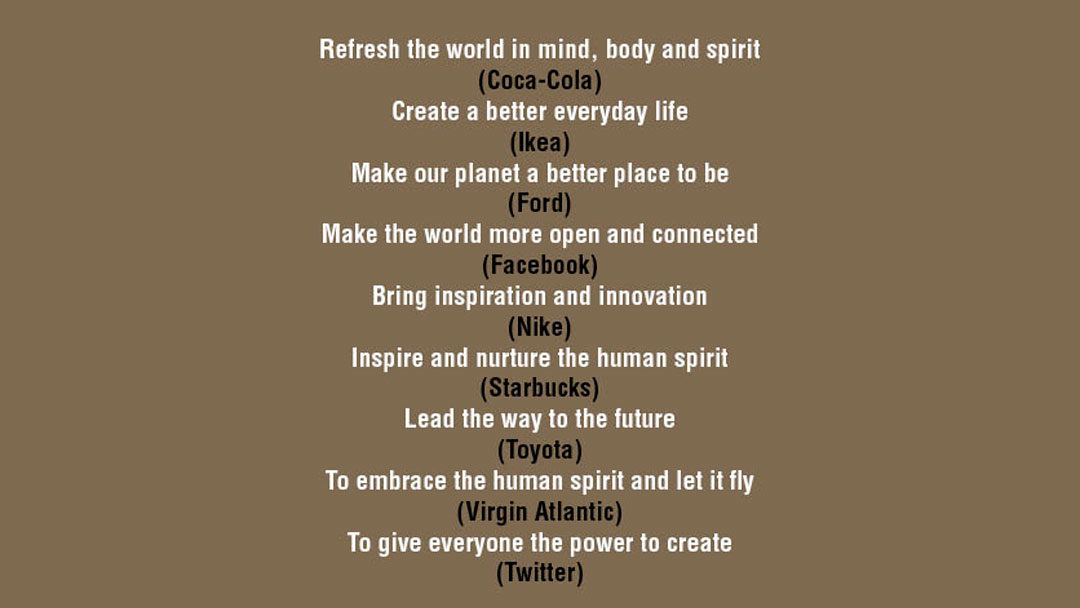
Brands know they have a spirit
Refresh the world in spirit (Coke) Inspire and nurture the man spirit (Starbucks) Embrace the human spirit and let it fly (Virgin) The world of spirit seems to be recognised by brands. Many straplines of …
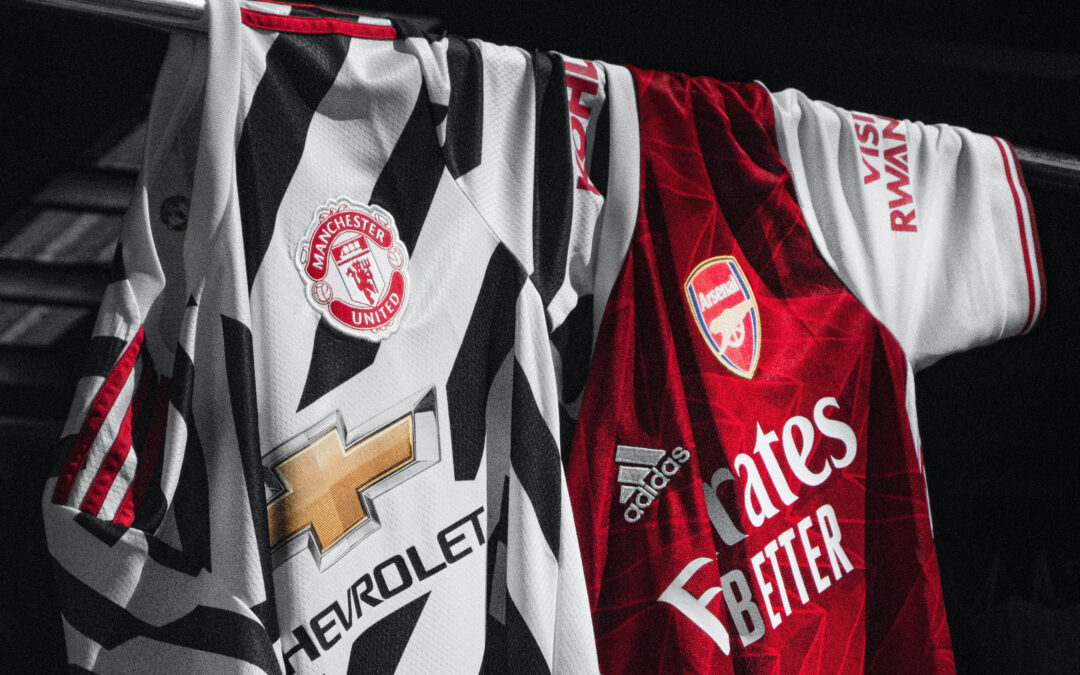
Taking control of logos in fashion
Is the logo ‘stripped of its corporate purpose’ if it used as a piece of art? Juxtaposed with random logos on a garment? This does not look too different to the football shirts which appear to change logos with …
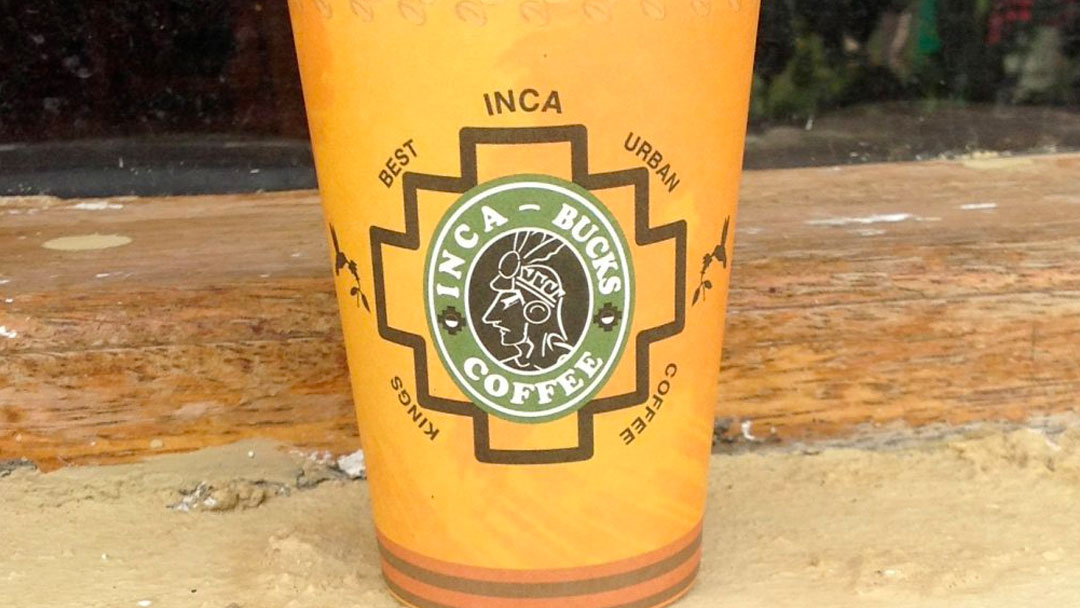
Protecting the mermaid
This is a cup from a coffee shop I found in Peru. I don’t think Starbucks have found this one but they are suing a Bangkok based coffee stall over the misuse of the Starbucks logo. Maybe because it …
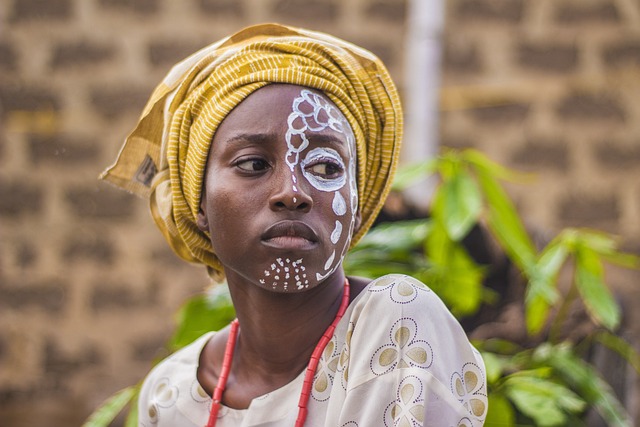
The first artists were women
Logos are a combination of a word and picture (symbol). The former is linear, we read from left to right, logically from the masculine attributed part of the brain. The latter is more intuitively recognised and …
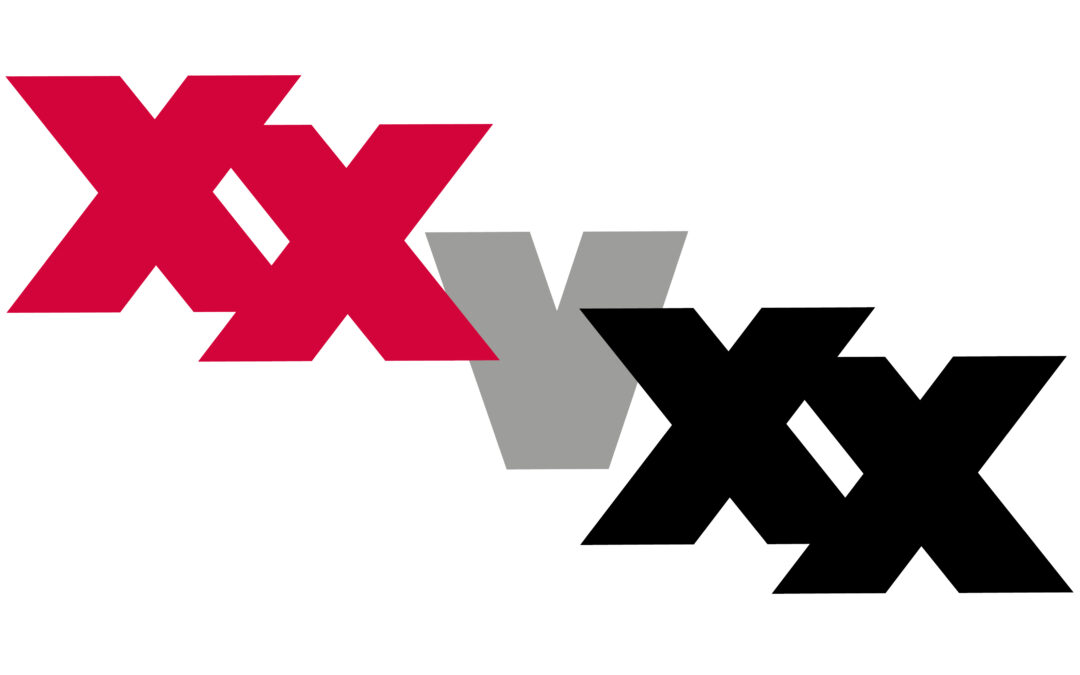
Fighting over a couple of kisses
Protective brands know the value of their logos and go to immense lengths to protect them. An X is a kiss, it marks the spot and a cross stands for relationships. Two Xs is double the value and Exxon is going …
No logos in Sao Paolo
In 2006 the mayor of Sao Paolo banned all outdoor advertising, after the initial flurry of objections, now over 70% of residents approve. I imagine the first sign above is now no longer there but …
Does London need a logo?
A logo for London? The YouGov poll, which was commissioned by Landor, says 51 per cent of those surveyed think London should have its own logo “like other global cities New York, Berlin …

The colour purple
Getting a colour just right is imperative for brands that want to succeed. Purple has traditionally been reserved for royalty but Cadbury’s want to reserve it for themselves. They tried to fight off Darrell Lea …