Inspired by the stars

I have always wondered where the Commonwealth Bank (Australia) symbol came from. It is strong, memorable, an unusual colour, yellow, for a bank (most are red and blue) and was originally designed in 1991 by world renowned designer Ken Cato.
The symbol is prominent and on the brand’s website it is noted that, like pictures, symbols can tell a thousand words. This symbol was designed to reflect ‘trust, care, strength, confidence, commitment, security, courage and stability’. Conversely, a square traditionally indicates stability whereas a diamond (square on an angle) like a triangle on a point, signifies instability. But this particular logo works in that it certainly calls our attention and it has a cosmic, stellar connection. What powerful dynamics to introduce to a brand.
The original yellow diamond shape, with a defining black edge, refers to the shape of the Southern Cross, the most well-known constellation in the Southern Hemisphere and a distinctive part of the design of the Australian flag. The logo remains today apart from a tweak in 2020 when the black area defining the strong visual relationship to the shape of the Southern Cross was ditched as a yellow, monochrome, shaded, softer symbol was introduced to ‘refresh the iconic diamond, making it lighter, brighter and more dynamic, and inject new meaning into the Can platform’ (a brand initiative). I think the shaded 3d effect makes it look more like an inverted envelope. This could be a good thing, it looks empty, but opened. What is going to be revealed inside, if anything?
When a major brand decides to change, or tweak, their logo, we can be sure that there will have been enormous sums of money spent on researching its viability, including the benefits of retaining the existing goodwill, how to take it forward, and how far is safe. The cost of changing signage, stationery, uniforms and so on will be in the millions. It has to pay off. Every single detail is vitally important, from the letter spacing, the angle of the symbol, the shape and the relationship of every part of the logo to every other part. The consistency of application is managed to reassure us, and this care and attention builds trust and increases the energy of their intention to be the best in their field.
Successful brands know the vital importance of intention and detail. We can all apply these to a logo design of our choice, and it need not be simply to attract business success. Logos are powerful intentions, delivered effectively.
You can learn how to create your own logo to attract the success you want in the Future Magnets course: https://bit.ly/4ayC3rv
What stories are we creating for our future?
 Right now, the dominant stories circling the globe are alarming, not only because they are new but because they threaten to dismantle the familiar structures we rely on.
Whose mask is it?
Logos express and deliver powerfully our intentions, and they, like ball games, unite and divide us.
Team You
Logos express and deliver powerfully our intentions, and they, like ball games, unite and divide us.

Is your logo just a facade?
Can logos be a ‘facade’, created to invite us to enter but when we open the door does the reality meet our expectations to fully engage?

The power of Pluto. The other one.
I don’t really follow astrology that much, but there has been a buzz around the movement of Pluto (the planet) into Aquarius on 19th November 2024.
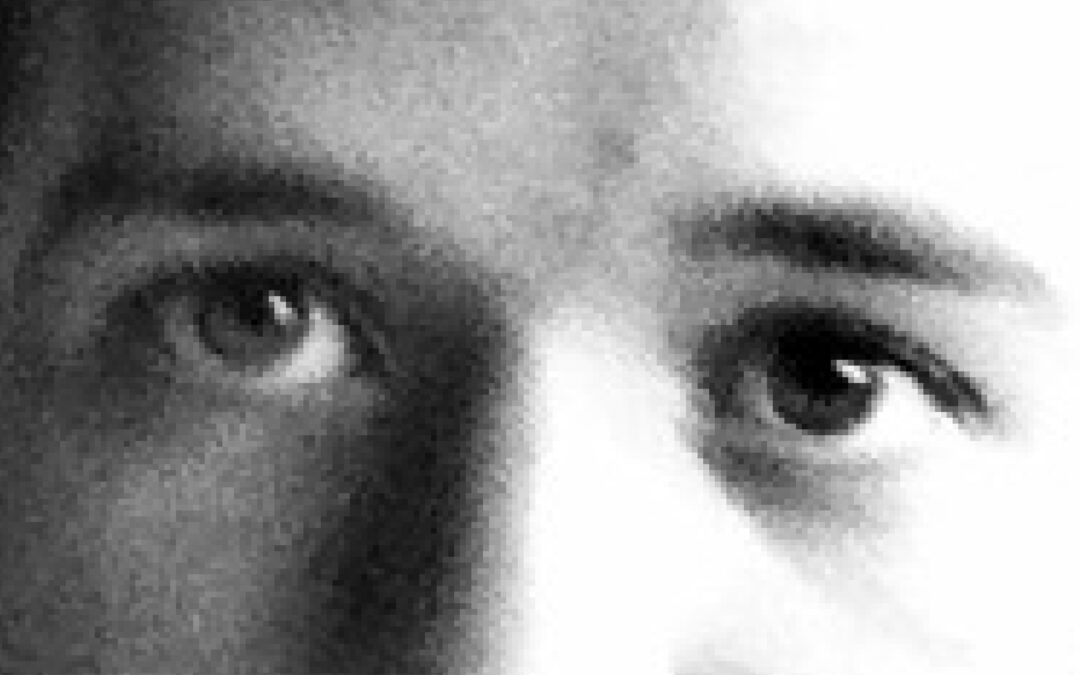
Being seen
Good designers ‘see’ their clients and enable them to realise their potential and to ‘see’ their future from a new, clear and achievable standpoint.

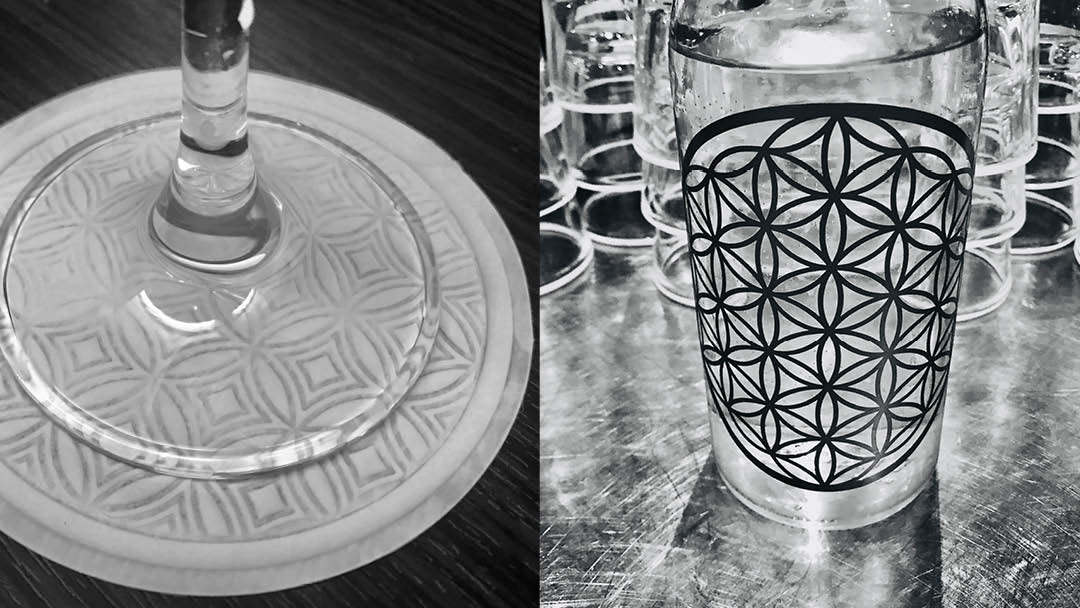

Inspired by the stars
I bought a prestigious-branded jumper a few years ago. It was in a sale; I saved myself a few hundred pounds. In retrospect, the reduced price was still extremely high compared to what I usually spend on a jumper. They usually go bobbly after a few wears, whatever the price, and it was not quite the right shade of pink that I love. But it was a famous brand so I felt good because the purchase met my aspirations to reputedly, at least, excellent design and, with a Scottish mother, I had made a good deal, it was a bargain….or was it?
The feeling was short lived. I hardly wore it, it was the wrong colour and that compromise was enough to niggle each time I wore it. The good feelings were soon replaced by irritation and self-admonishment. At the time it felt right. I felt good. I was in the mood to buy and I responded to the emotional nudges. Who was nudging?
The emotional pull is powerfuI and comes from myriad sources. Like many, I try to do my best for the Earth and have like-minded friends who aspire to, or own, an electric or hybrid car. They are expensive and at least one expert has pointed out that the carbon footprint of hybrid cars is so great it cannot be offset during its normal lifetime. My friends all had decent, functional cars to start with but ditched these, potentially adding their unrecyclable and toxic components to the growing landfill problem. I don’t know the statistics but the latter never comes into the equation once the desire to own the new version kicks in.
What actually prompts our decision to buy? We certainly do not need most of the stuff we do purchase but we are easily convinced we want it. We are prompted by brands to believe our life will improve if we buy (or get worse if we don’t), we will be seen in a better light by those around us, we get a ‘hit’ from the feel good purchase or are creating a better life/society/planet.
Are we being tempted to express our real selves or be something we are not? Sigmund Freud’s nephew, Edward Louis Bernays (1891–1995), believed most of us were incapable of making rational decisions and so he created PR to drive our desires. One of his first campaigns was aimed at getting women to smoke when it was socially unacceptable, and women felt suppressed. He consulted a psychoanalyst and rebranded cigarettes to be appealing by organising a group of women to smoke ‘torches of freedom’ publicly, and it worked [1]. He took his skills further to help win elections.
Eventually, we become so entrained that a glimpse of a logo can remind us of the promise behind the brand it identifies. Our brain cells have been shown to fire in a unique and identifiable sequence as they respond to different logo designs. Our emotions are a powerful interface between the world that is within ourselves and the one that exists outside us. How we express ourselves affects our future as does the reverse – how we react to outside expressions of intent.
The good news in this, hopefully, is when we realise how fickle our emotional response is. We can learn to be observant and more detached from the pull of someone else’s vision and begin to express and create our own using the same branding tools.
[1] Edward Louis Bernays quoted in Larry Tye, The Father of Spin: Edward L. Bernays & The Birth of Public Relations (Henry Holt and Company, LLC: New York, 1998), pp. 39–42.
[i] Edward Louis Bernays quoted in Larry Tye, The Father of Spin: Edward L. Bernays & The Birth of Public Relations (Henry Holt and Company, LLC: New York, 1998), pp. 39–42.
What stories are we creating for our future?
Right now, the dominant stories circling the globe are alarming, not only because they are new but because they threaten to dismantle the familiar structures we rely on.
Whose mask is it?
Logos express and deliver powerfully our intentions, and they, like ball games, unite and divide us.
Team You
Logos express and deliver powerfully our intentions, and they, like ball games, unite and divide us.
Is your logo just a facade?
Can logos be a ‘facade’, created to invite us to enter but when we open the door does the reality meet our expectations to fully engage?
The power of Pluto. The other one.
I don’t really follow astrology that much, but there has been a buzz around the movement of Pluto (the planet) into Aquarius on 19th November 2024.
Being seen
Good designers ‘see’ their clients and enable them to realise their potential and to ‘see’ their future from a new, clear and achievable standpoint.