Who wants to be a celebrity?
Celebrity worship fascinates me. What makes us look outside ourselves for validation, fulfilment and inspiration?
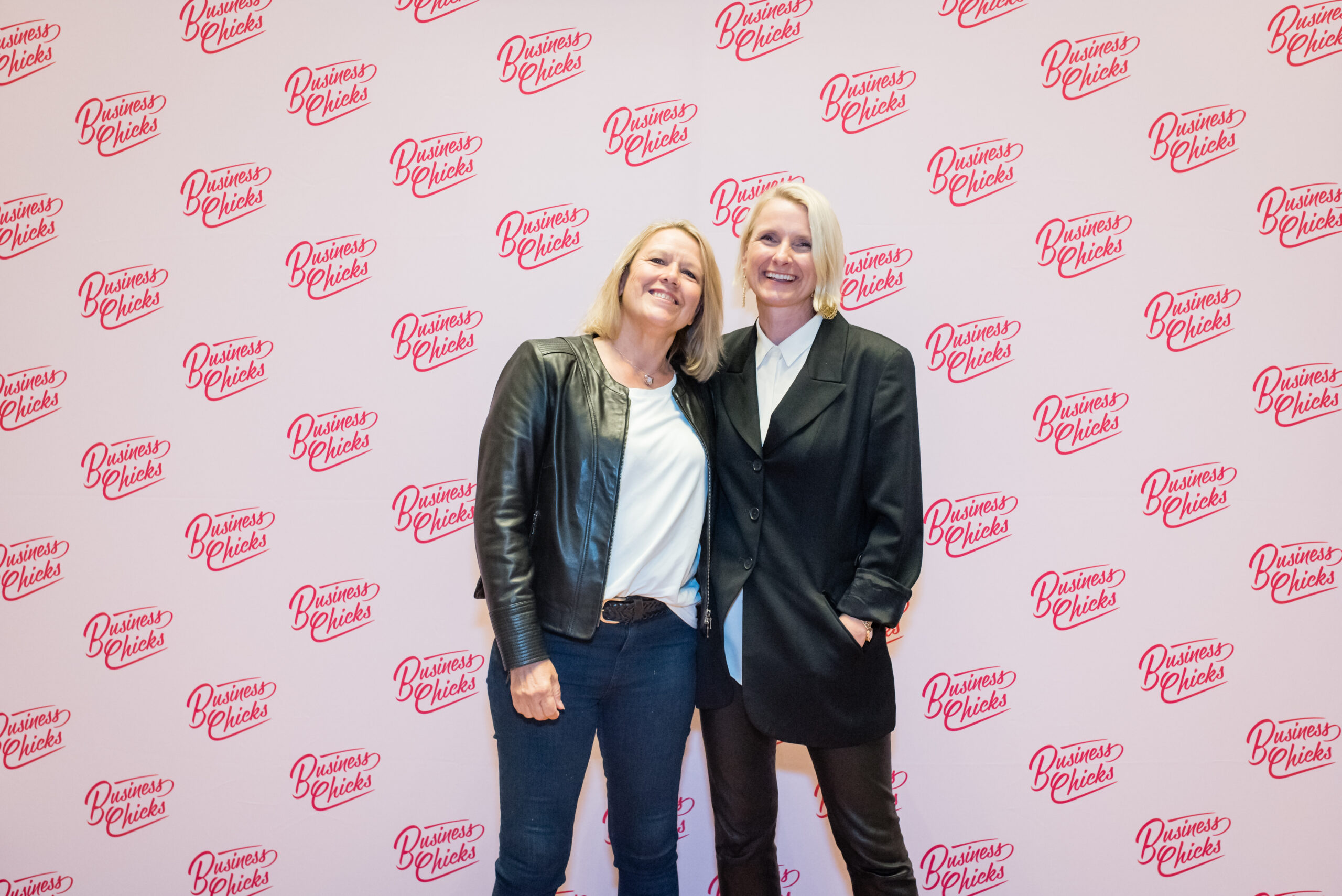
So when a friend invited me to hear Elizabeth Gilbert speak at a business breakfast (for Australian ‘Business Chicks’), I not only said yes, I booked in to have my photo taken beside her. Did I do it so I could be associated with the celeb glow? Or to share the photo on social media to elevate my status, stroke my ego? I didn’t know, I just wanted to know how it felt.
We see celebrities as our close friends. Scientists say that, because we see them all the time in the media, our brains are unable to differentiate between our make-believe friends who are famous and our real friends. Their familiarity makes them trustworthy.
But it’s more than that.
Seeing a celebrity arouses our emotions. Our emotions, more than any other thing, tend to drive our decisions. So, if you want someone to buy something, you have to appeal to his or her senses. Brands know this, they use celebrities to connect us and make their product or service memorable. Both celebrities and brands fire up specific groups of neurons. Our heads fire up with Oprah Winfrey, Jennifer Aniston and Halle Berry cells. And they also fire up with Coke and Pepsi cells. Scientists know which we are looking at by the patterns made by our firing neurons. Of course, a logo is much cheaper than hiring a real, famous person and logos are available to us all simply by buying and wearing the brand.
I enjoyed a spoof video on celebs and their input to Covid-19, but it probably won’t change our dedication. It started with acknowledging our thanks (cynically) to the celebs for providing the strength for us normal people to get through the Covid-19 crisis.
Examples included a healthworker describing how he sees a number of deaths every day and is terrified he will infect his family but the one strength he gets to help him get to his work every day is from watching Ellen broadcast from her mansion where she is seen claiming ‘this is like being in jail, it really is’. Another says he has been on the phone, on hold for days, trying to get his government payment, he has lost everything including his job and has no money, but the picture of Amanda Keller dancing around in her massive kitchen is really ‘getting him through’. Another whose mother died but brightens when Alf from Home and Away says ‘we really are all in this together’
It’s easy to be cynical but we will continue to buy brands because of celebrity endorsements.
Sometimes the endorsement is related to the skills of the celebrities, Nike, for example, have employed Michael Jordan and Carmelo Anthony in their branding. But what makes Pele an expert on Subway fast food? Does George Clooney honestly believe Nespresso will improve our lives? How much do they know, or care, about the product they endorse? They do it for the money. If we look deeper, not far, we find that many brands are responsible for contributing to the destruction of the raw materials on Earth and celebrities do not set good examples – for example, the bad behaviour of footballers is copied by children playing the sport. It has been noted that they too berate the referee, throw themselves on the ground in anger and cheat.
Why do we accept all this yet still fall for it?
In the 1930s, baseball legend Babe Ruth was one of the first people paid to endorse a brand, Red Rock Cola, and went on to have a chocolate bar named after him. Athletes, musicians and actors continue to rake in millions to promote consumer goods. Beyonce signed a $50 million contract with Pepsi. L’Oreal has engaged celebrities including Naomi Watts, Diane Keaton and Jennifer Lopez – they must be worth it.
Our logos are also celebrities. We pay more for a branded product.
Do we hope a little of the celebrity glow will rub off on us? It is through this association that we buy. And we proudly display our allegiance to a brand by wearing the logo across our chest – our heart chakra, the set of our love.
We can go one step further by claiming our own internal celebrity power and create our own destiny rather than contributing to another’s brand vision. We can’t all be celebrities, or have them as our real best friends, but we can identify the celebrity within ourselves and employ the same techniques as the brands use to attract the feel good factor. By creating our own logo, branded with our own intention, we can discover, acknowledge and display the inherent power within each of us and create the future that serves our own deepest desires.
This is what I love about working with logos.
Let the celebrities do what they do best: act, play football, race cars or make money. Let’s do what we do best: decide what we want and need for ourselves, be the celebrities of our lives and celebrate accordingly.
So, how was it standing next to Elizabeth Gilbert? She seemed lovely, caring and articulate. I hope she thought the same of me.
Featured image: © Jessica Roberts & Crystal Oliver – https://www.thewho.com.au/roberts.com