
Becoming Visible
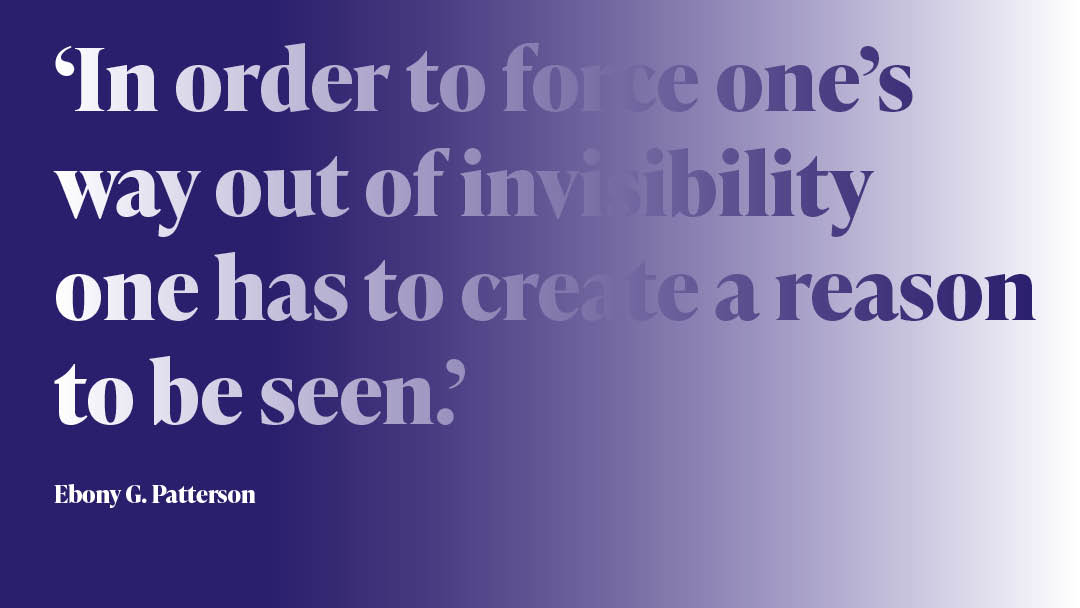
IMany of us desire to be celebrities: pop stars, influencers, actors, lottery winners….and yet evidence shows us that these achievements do not bring us fulfilment forever. And while we yearn to be like others, we ignore the uniqueness within each of us.
We just want to be seen. But as what?
Curiously, paradoxically, our yearning to be seen and identified in the same way as ‘successful’, ‘rich’, ‘adored’. takes us to a place where our individuality remains concealed because we identify our success compared with others.
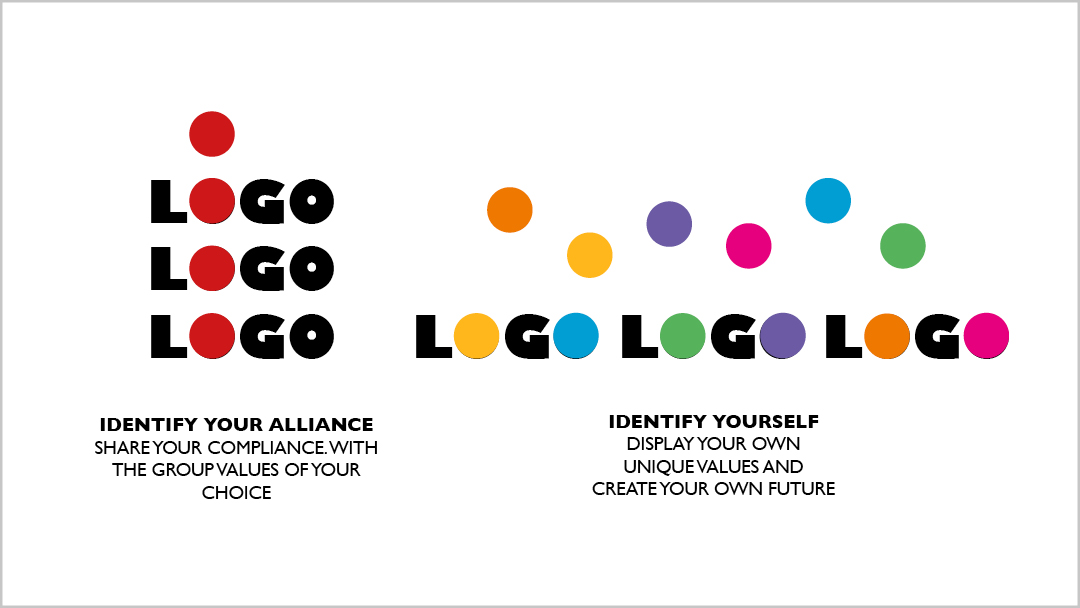
Using design consciously we get to choose what part of us we want to make visible, what we want to share with the world to create the future we want.
Frankly this is a much healthier and rewarding way to direct our future than blatantly and (often) indiscriminately sharing our whole selves so there is no space for us to grow in private, in union, with our own soul purpose. We can see how many celebrities fall into this trap and suffer. (I am currently reading Matthew Perry’s bio and his sad realisation of not more mindfully managing his path to fame.)
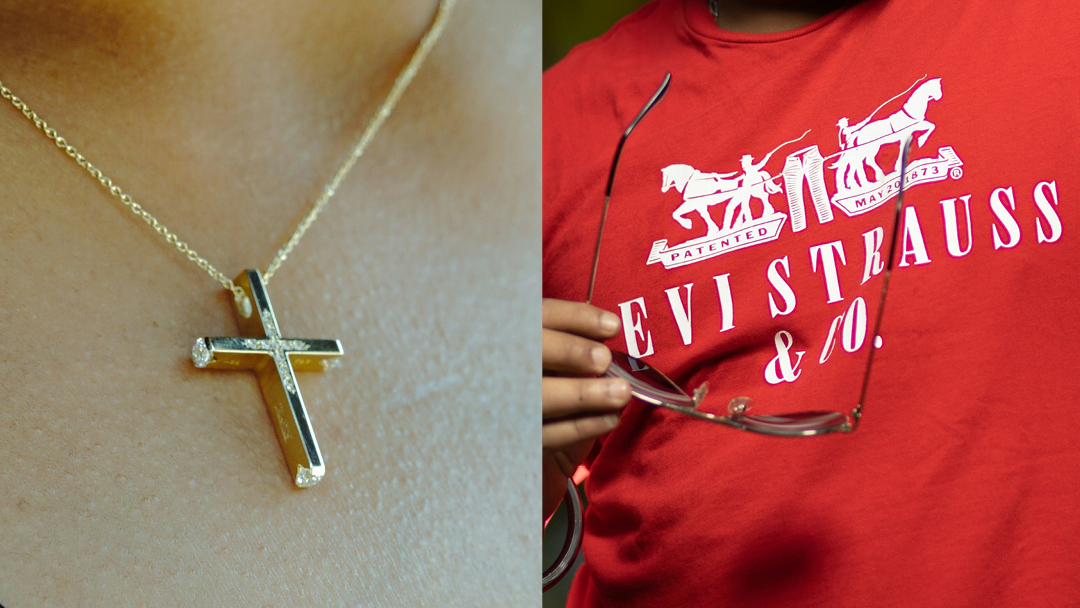
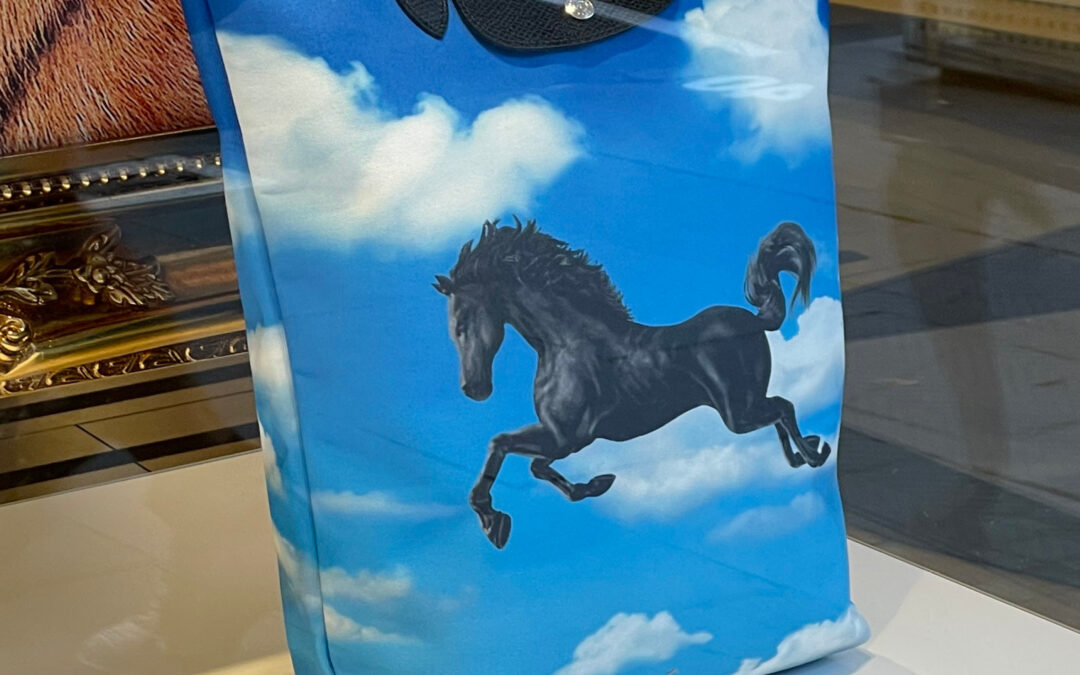
It is also much more powerful and immensely satisfying to identify, share and grow our own vision than buying into someone else’s pre-existing version specifically honed for their future. For example brands embed their logo designs with intentions and promises that trigger the response they want in the outside world. It works and its success is so effective that many brands are bigger than small countries. Microsoft’s value is larger than the GDP of global powerhouses Brazil, Canada, Russia, and South Korea Amazon has grown to $1.7 trillion, larger than 92% of country GDPs.*
We may not have the millions to spend on marketing that big brands have but we do have:
- Our own unique purpose
- The ability to express this in the same was as brands via a logo
- The skill to deliver this globally
It’s not difficult. We can all use the same principles to identify, create and manifest the life we want. My Future Magnets course shows you exactly how: https://bit.ly/47ZFiaR
*https://www.visualcapitalist.com/the-tech-giants-worth-compared-economies-countries/




What’s the best logo for 2024?
 We have just taken another leap into Aquarius as Pluto and the Sun enter the sign.
This has the potential to create real change, forever.
Becoming Visible
I bought a prestigious-branded jumper a few years ago. It was in a sale; I saved myself a few hundred pounds. In retrospect, the reduced price was still extremely high compared to what I usually spend on a jumper. They usually go bobbly after a few wears, whatever the price, and it was not quite the right shade of pink that I love. But it was a famous brand so I felt good because the purchase met my aspirations to reputedly, at least, excellent design and, with a Scottish mother, I had made a good deal, it was a bargain….or was it?
The feeling was short lived. I hardly wore it, it was the wrong colour and that compromise was enough to niggle each time I wore it. The good feelings were soon replaced by irritation and self-admonishment. At the time it felt right. I felt good. I was in the mood to buy and I responded to the emotional nudges. Who was nudging?
The emotional pull is powerfuI and comes from myriad sources. Like many, I try to do my best for the Earth and have like-minded friends who aspire to, or own, an electric or hybrid car. They are expensive and at least one expert has pointed out that the carbon footprint of hybrid cars is so great it cannot be offset during its normal lifetime. My friends all had decent, functional cars to start with but ditched these, potentially adding their unrecyclable and toxic components to the growing landfill problem. I don’t know the statistics but the latter never comes into the equation once the desire to own the new version kicks in.
What actually prompts our decision to buy? We certainly do not need most of the stuff we do purchase but we are easily convinced we want it. We are prompted by brands to believe our life will improve if we buy (or get worse if we don’t), we will be seen in a better light by those around us, we get a ‘hit’ from the feel good purchase or are creating a better life/society/planet.
Are we being tempted to express our real selves or be something we are not? Sigmund Freud’s nephew, Edward Louis Bernays (1891–1995), believed most of us were incapable of making rational decisions and so he created PR to drive our desires. One of his first campaigns was aimed at getting women to smoke when it was socially unacceptable, and women felt suppressed. He consulted a psychoanalyst and rebranded cigarettes to be appealing by organising a group of women to smoke ‘torches of freedom’ publicly, and it worked [1]. He took his skills further to help win elections.
Eventually, we become so entrained that a glimpse of a logo can remind us of the promise behind the brand it identifies. Our brain cells have been shown to fire in a unique and identifiable sequence as they respond to different logo designs. Our emotions are a powerful interface between the world that is within ourselves and the one that exists outside us. How we express ourselves affects our future as does the reverse – how we react to outside expressions of intent.
The good news in this, hopefully, is when we realise how fickle our emotional response is. We can learn to be observant and more detached from the pull of someone else’s vision and begin to express and create our own using the same branding tools.
[1] Edward Louis Bernays quoted in Larry Tye, The Father of Spin: Edward L. Bernays & The Birth of Public Relations (Henry Holt and Company, LLC: New York, 1998), pp. 39–42.
[i] Edward Louis Bernays quoted in Larry Tye, The Father of Spin: Edward L. Bernays & The Birth of Public Relations (Henry Holt and Company, LLC: New York, 1998), pp. 39–42.
What’s the best logo for 2024?
We have just taken another leap into Aquarius as Pluto and the Sun enter the sign.
This has the potential to create real change, forever.