Straddling the unconscious

I am fascinated how brands can appeal to us beyond our conscious minds.
I did not know that more French wine will be bought in a wine bar if French music is played and that when German music is played, the customers respond accordingly and sales of German wine soar.
I did know that scientists could tell whether participants in an experiment were looking at Coke or Pepsi by the patterns of their firing neurons.
Techniques abound to increase a brand’s stickiness. We choose and we don’t know why. We might unconsciously associate it with the familiar in our lives, we may discover a longing to share it with our friends and be part of a team, or our desire for a happy experience triggered from our childhood. I like to think that I live my life consciously, day by day, but of course it does not quite work like that. I find myself buying or doing something I want, then after the event have a gut feeling that expresses it ‘Why on earth did I do that?’
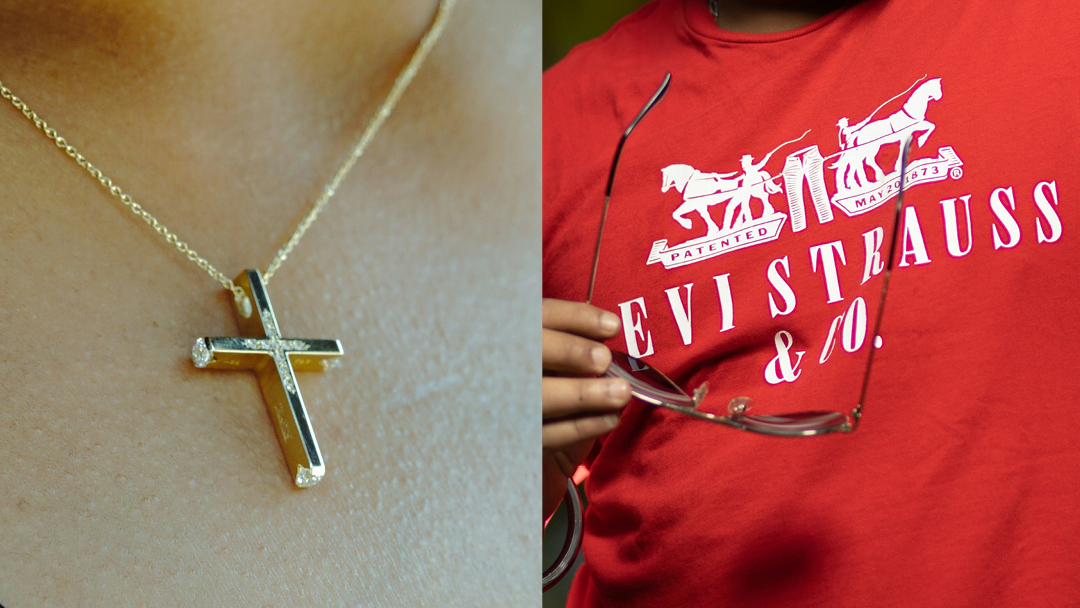
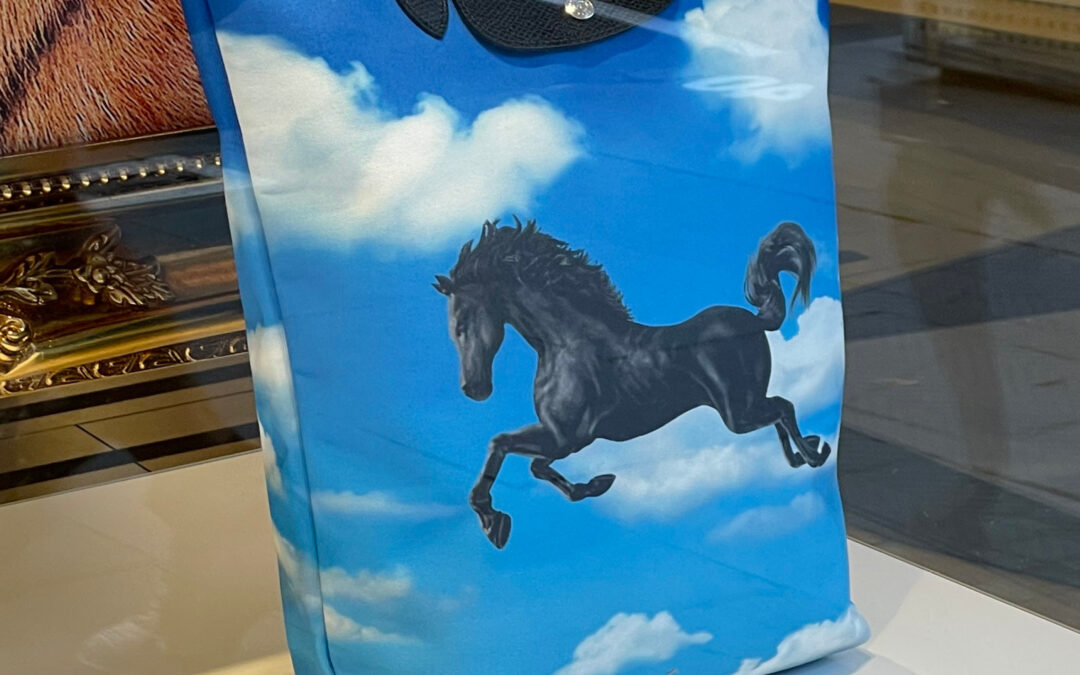
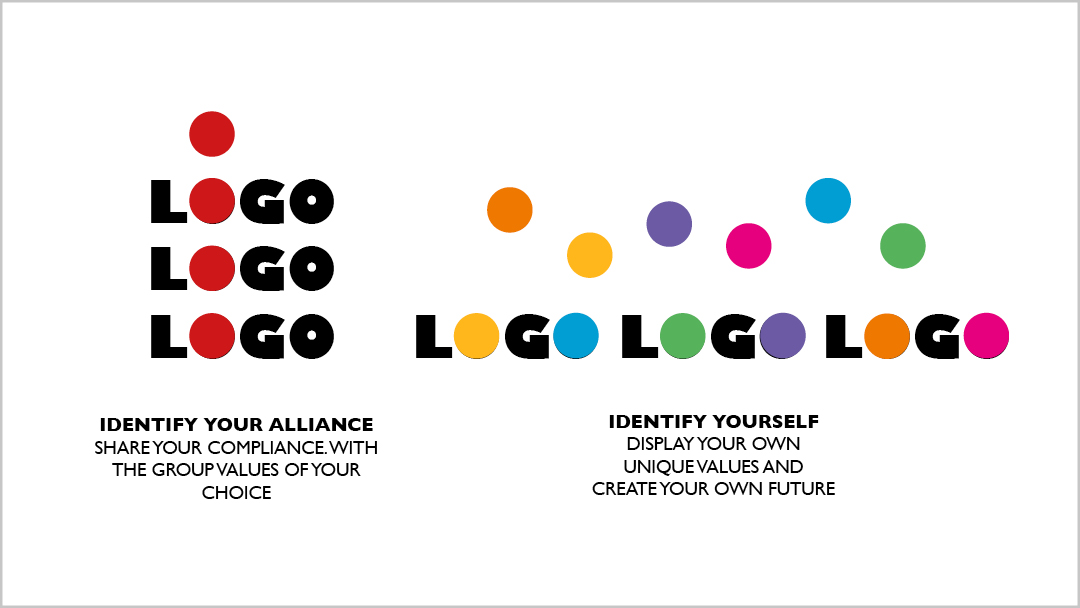
I am, at least hopefully, becoming more aware of the place in my mind from where I make my choices. And rather than bemoan those who attempt to hijack my responses I adapt them for my use and work with the same tools, simplified, to get my clients what they want. I work with logos, deeply. Every single element from the choice of the name or symbol, through the colours, shades and hues to the space between the letters carries the potential for an intended future vision. If different soft drink logos can fire our brains to suit the brand they identify, then we too can make sure our own logos fire us up accordingly.
Only by learning to manage our own unconsciousness better can we take back control of our choices and create the future that we want to see.





What’s the best logo for 2024?
 We have just taken another leap into Aquarius as Pluto and the Sun enter the sign.
This has the potential to create real change, forever.
Straddling the unconscious
There is a club in London called the In and Out club, named for the gates directing members in the right direction.
Michael Beckwith, the Founder and Spiritual Director of Agape International Spiritual Center in Los Angeles, and an award-winning author, says he sees his clients coming in, entering like a golden Buddha, bringing their problems. This entrance aligns him with his intention before he starts to work with them.
We spend a lot of time on projects but how we receive them and how we send them off to do their work play be a vital part in their success.
When I worked in design at Pentagram, we were taught how to wrap packages leaving the building so that Pentagram’s reputation for detailing and caring was enforced beyond the front door and visible to anyone involved, including the receptionist or secretary who may receive and/or open the package. The corners were neatly trimmed, the tape cut with scissors or scalpel and the address clearly, beautifully written.
In my work designing logos, I know that how we receive and deliver our logos is vital to the integrity of the final design. When I am designing, the concept(ion) is vital. How it enters the world, the quality of the intention, the talents, mood and state of the client, and me the designer. When it is time to exit and deliver its intentions, every design detail has been considered including the timing, perhaps even the alignment of stars and the season, to ensure the best potential success. Conversely, a perfunctory delivery, with poor attention to detail, from the choice of social media used to communicate, the cleanliness of delivery vehicles and the first word said when a client rings, can ruin the concept of a perfectly good logo.
We often think that the actual designing of a logo is the most important part and, once it is complete, the work is done. But this vital action could not take place without the initial brief and it could not do its work without the exit, the delivery.
The latter is what carries the energy the logo, embedding the intention of the desired future, intact into the outside world where it can do its work.
Everything matters, every detail.
The invitation to engage with the logo is delivered embedded in the design, like a doorway encouraging us to open. The first picture above was taken in fashionable Fitzroy in Melbourne. I wanted to touch and open this door; the handle is full of the promise of something wonderful within. The second entrance is the Chelsea Arts Club in London. Normally relatively inconspicuous, the entrance was allowed to seasonally express itself, much like the artist members within. I was strangely reassured when I saw this perfectly stacked recycling from a café in the third picture. I know this café. Their food and service is impeccable as is their detailing, from their smile when you enter to the herbs and spices they use. So, I felt comforted that this attention carried through to their rubbish! They really were committed to their intention of excellence which would be carried to the trash collectors who would notice and appreciate it, thus continuing to build the warmth. Finally, the last photo is from Bali – an exit sign in case of a Tsunami. I liked this as it shows how it is important to ensure our exits are targeted for purpose and in the right place to do their work to the full.
All these observations can be used in the design of a logo.
What’s the best logo for 2024?
We have just taken another leap into Aquarius as Pluto and the Sun enter the sign.
This has the potential to create real change, forever.