It’s about heart
Regardless of what we do, it is about connecting with heart. And delivering.
One sees clearly only with the heart. Anything essential is invisible to the eyes. –Antoine de Saint-Exupéry
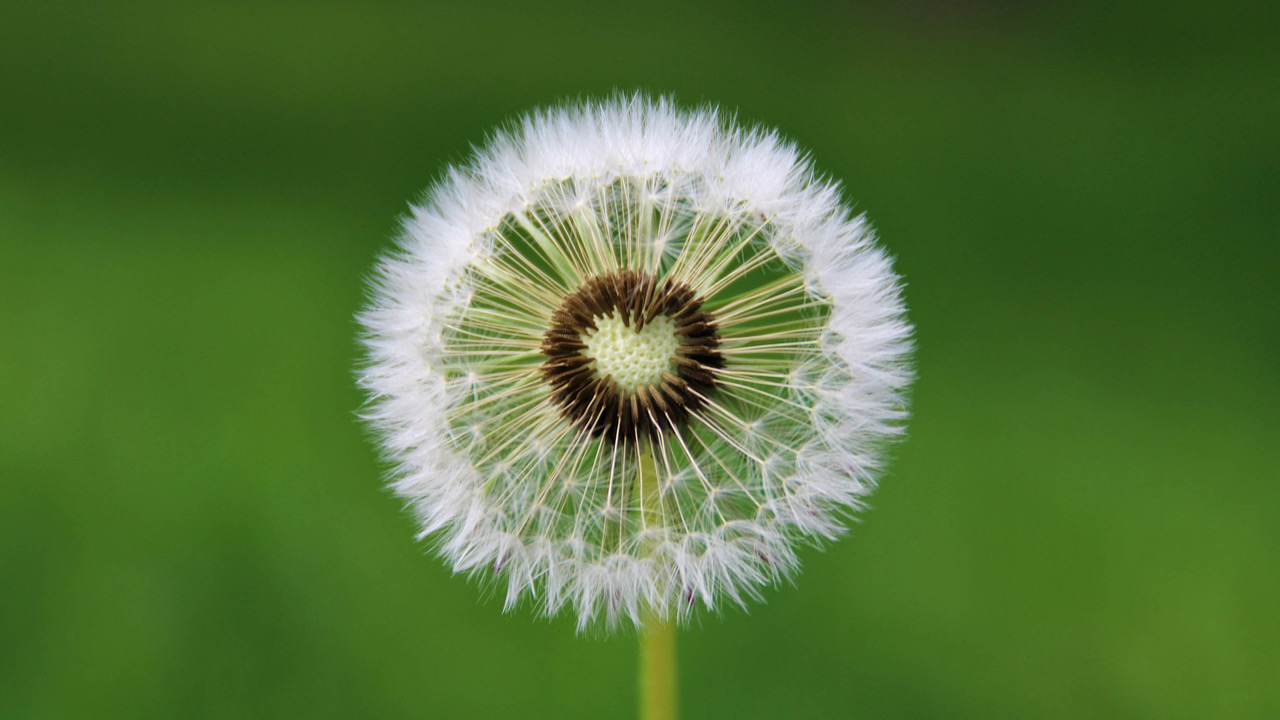
I love this picture of the dandelion. Named after lion’s teeth, (in French dents de lion), and, of course, lion-hearted means extraordinarily courageous, and the root of the word courage is cor – the Latin word for heart. It is a sweet connection between this plant and the heart.
What could we hope for when we blow the seeds off this plant wish-giver to enable the tiny umbrellas to carry our dreams to where they can do their work? And what would be the source of this wish, our hearts or our heads? Both are acknowledged thinking organs and sources of our decision taking.
There is a prophecy that exists, in some form or other, in many indigenous peoples, about the heart and the head. My favourite, so far, is that of the eagle and the condor. Native Americans believe that there was a division in humans where some followed the path of the condor and the others the eagle. The eagle represents the North and is associated with masculine energy and the mind. The Condor is represented by the South and connected to feminine energy and the heart. It has been said that when the eagle and condor fly in the sky together there will be a new level of consciousness.
The one we listen to will decide our future. The heart is known as the seat of our emotions and our emotions are the driving force behind brands. If we fall out of love with them, we simply will not buy.
But our hearts do more than respond to our own emotions, they link us to others’ at deep levels. The Institute of Heartmath, in California, has found evidence that the heart’s magnetic field is around 5,000 times greater than that measured around the brain. They suggest that this field may even be greater, as their equipment is only capable of measuring a few feet from our bodies. What if we were all connected through our hearts?
Research shows that when people watch an emotional movie or sing together, their heart rates and respiratory rhythms synchronise. When leaders and followers have a good rapport, their brainwaves fall into a similar pattern. And when romantic couples are simply in each other’s presence, their cardiorespiratory and brainwave patterns sync up.
Advertisements are designed to make us feel good and we are reminded of this feeling by the seal of the logo. Eventually, a glimpse of the logo is enough to trigger our positive response and we buy.
But what do many brands really offer us? Often it is a thin sweet slice of instant mental gratification and once the buzz has worn off and we have eaten our hamburger and bought our handbag, we are left, at worst, with indigestion and landfill.
When we decide from our heart, we avoid the habit formed temptation, the over rationalised, complex and often unfounded justification, as well as the temptation to hand over our happiness to the outside world full of brand promises for a better future. When we bring our hearts into the process, we open to the potential to connect with others at this beautiful pulsating level. And make more informed choices about what we buy and the future we are creating.

Discovering the You in You
 Who do you want to be? Who are you? Are you happy with your life? Want to live different life? There are a plethora of self-help courses at the moment, all eager to answer and supply us with solutions to a better life.
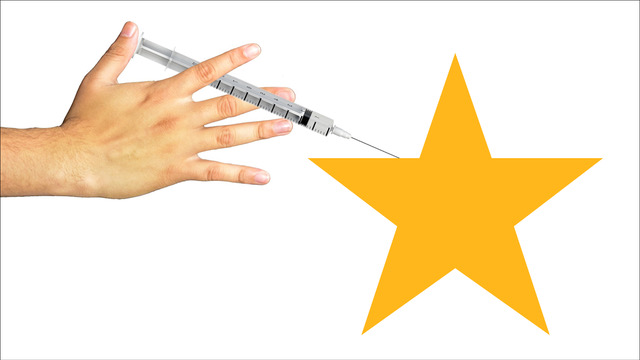
Would a celebrity convince you to be vaccinated?
What’s the difference between Elvis, Joe Biden and Sir Ian McKellen? Joe Biden is the only non-celebrity to be publicly vaccinated as an incentive.
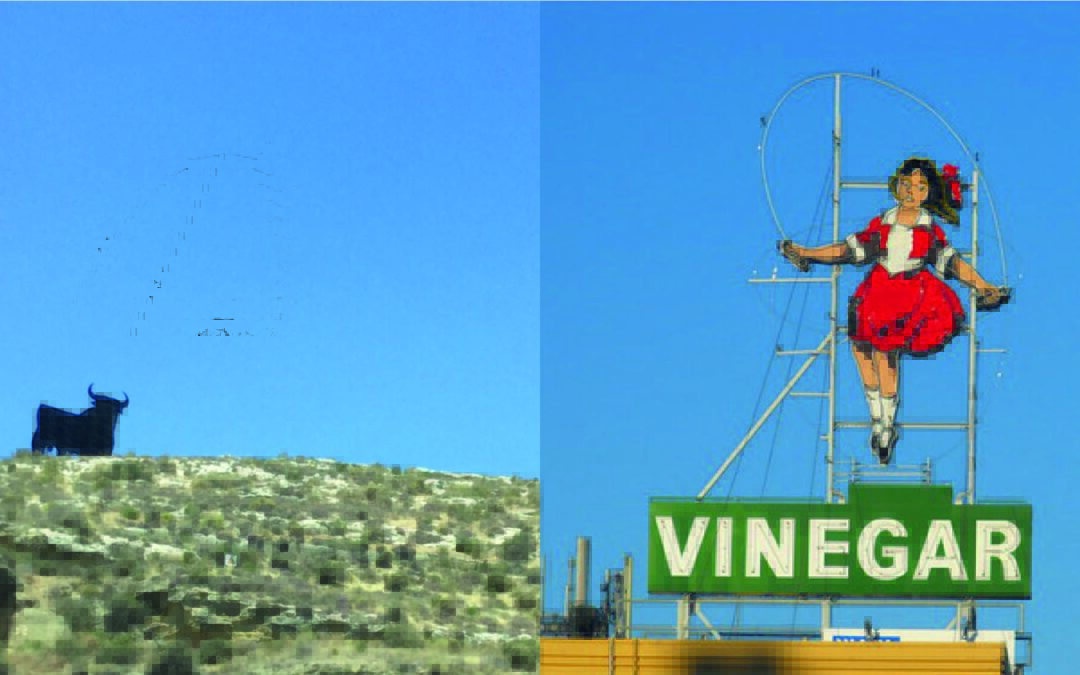
Does size matter?
There’s a lot of consideration that goes into the size of a logo. As designers we might argue that small could be better, especially when surrounded by white space.
Leaving a legacy
When we express our vision in a logo, detailed in every aspect including the colour, symbols, name and strapline we not only expedite this sharing, we leave a design, embedded with our vision, that will live on long after we are gone.
It’s about heart
What is most important, people or the planet? The Earth can survive very well without us, probably better than it is right now, but we cannot survive without the Earth.
Only so many of us can fit on Elon’s spaceship, and then, do we really want to transport the mindsets that got Earth into its current polluted state onto a pristine planet?
Since the 1950s, some believe the start of the industrial age, we have entered the Anthropocene age. This is based on the assumption that, for the first time, we have ushered in a new epoch by altering the earth.
The Smithsonian says: “humankind has caused mass extinctions of plant and animal species, polluted the oceans and altered the atmosphere, among other lasting impacts.”
Who is to blame? How have we been tempted to ignore Mother Earth when she has sustained and nourished our human lives for hundreds of thousands of years? And the result we are harvesting from this ignorance is the creation of an environment that not only ceases to support our health and well-being but becomes toxic and unsustainable to our own lives.
Brands are expert in creating our future dreams for us. John Perkins, shaman and ex economic hit man, tells us we need to change our dream. He labels our current economy as a death economy. And our economy is in direct opposition to our planetary health. Economists bemoan the fall in population (consumers are required for growth); environmentalists state there are too many people in the world.
Without a deep connection to nature, we will fail in both.
Paula Gunn Allen, a Native American poet, activist, scholar and novelist, explains:
“We are the land… that is the fundamental idea embedded in Native American life… the Earth is the mind of the people as we are the mind of the earth. The land is not really the place (separate from ourselves) where we act out the drama of our isolate destinies… It is rather a part of our being, dynamic, significant, real. It is our self… It is not a matter of being ‘close to nature’… The Earth is, in a very real sense, the same as our self (or selves)…”
Our current economy depends on increasing consumption, and brands are exemplary in helping us part with our money for goods we really don’t need but must have. Brands promote luxury goods to the rich and tempt the poor with products they can ill-afford and may harm, such as tobacco. Much of the time, sourcing and creating the raw materials threatens the balance of nature, which is further jeopardised during the manufacturing processes and this can also damage the well-being of the workers involved.
It really is an incredible power that brands hold over us. While knowing all this, we continue to buy into the marketing promise. But we can learn from brands’ successes and use them to help create our own. Brands are excellent in creating tribes for us to belong to. It’s a primal urge to belong. Are we an Audi driver? A Levis’ wearer? A Mac user? What do we aspire to? How can we connect back to our own, true, deep, inner longings and aspire to our incarnated uniqueness, which we can express to the world using our own, proven successful, branding techniques?
We can and must create a new tribe of tribes, tribes with values that connect us to others ready to change their future, to promote a better, sustainable world. Using our own specially designed future magnets (logos), we can attract like-minded people who care about the planet, about nature, including the plants and animals, and about ensuring the best for future generations rather than profit now. Brands helped us get into this mess; the techniques they have honed can help us get out of it and heal. Nothing unites us more than a logo that invites us to share a single intention.
Indigenous people know this and when they become disconnected from their tribe they experience a terrible loneliness that ‘could only be healed through interrelationships and participation in meaningful ceremonies with the whole tribe’. (O’Nell 2004).
Building relationships, ceremony, ritual and participation are all brand tools, it is our ability and responsibility to create our own, those that are meaningful and nurture us and our world.
‘Deep planetary changes and environmental destruction are necessitating healing at individual, community and global scales. Feelings of pain, suffering, fear, anger and grief for those directly affected by climate change or those watching through TV screens are real.’
‘If humanity learned from and embraced this cosmology, we would understand that our wellbeing and healing is dependent on the wellbeing and healing of the Earth and nature, and that we have reciprocal duties and responsibilities to maintain balanced relations with it. Being one with nature, rather than separate to it, helps us to break down the way we currently control and conquer nature, to our own detriment – an approach some have termed “eco-apartheid”. Wellness and healing require caring for and balancing the different parts of our “self” – the spirit, body, mind and the Earth.’
What can we design and foster for the common good? What can we invest in our own logo, one that expresses our deep longing?
Discovering the You in You
Who do you want to be? Who are you? Are you happy with your life? Want to live different life? There are a plethora of self-help courses at the moment, all eager to answer and supply us with solutions to a better life.
Would a celebrity convince you to be vaccinated?
What’s the difference between Elvis, Joe Biden and Sir Ian McKellen? Joe Biden is the only non-celebrity to be publicly vaccinated as an incentive.
Does size matter?
There’s a lot of consideration that goes into the size of a logo. As designers we might argue that small could be better, especially when surrounded by white space.
Leaving a legacy
When we express our vision in a logo, detailed in every aspect including the colour, symbols, name and strapline we not only expedite this sharing, we leave a design, embedded with our vision, that will live on long after we are gone.